



Luxury paints in India have evolved far beyond surface-level aesthetics. Today, premium wall paints represent a conscious decision—one rooted in durability, performance, health, and long-term value. For homeowners, architects, interior designers, and contractors working on high-end projects, paint is no longer a finishing touch; it is a structural and visual foundation.
As Indian homes become larger, more design-focused, and more climate-conscious, the demand for luxury paint brands like Jewell Paints continues to rise. This shift is driven by measurable benefits—longer lifespan, superior finish quality, lower maintenance costs, and enhanced indoor environments.
This comprehensive guide explores why luxury paints in India are a strategic investment, how premium wall paints outperform standard alternatives, and why discerning buyers increasingly choose premium solutions.
Understanding Luxury Paints in the Indian Market
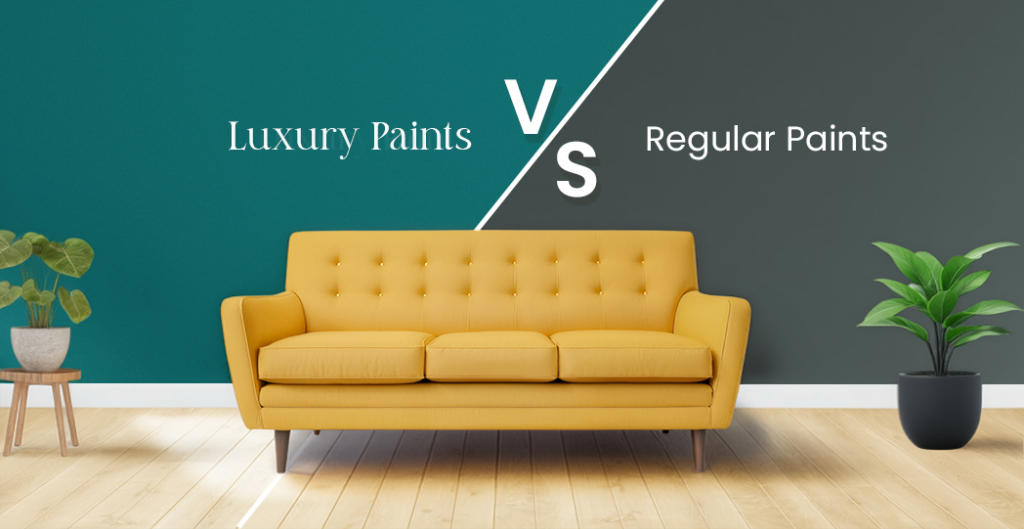
Luxury paints are formulated using advanced material science, higher-grade raw materials, and refined manufacturing processes. Unlike regular paints that focus on affordability, premium wall paints prioritize performance and longevity.
In the Indian context, luxury paints are specifically designed to handle:
- High humidity levels (60–90% in many regions)
- Extreme temperature fluctuations (5°C to 45°C)
- Urban pollution and dust exposure
According to industry data, premium paints demonstrate 30–45% higher resistance to environmental stress compared to economy-grade paints.
What Makes Premium Wall Paints Fundamentally Different?
The difference between luxury paints and standard paints lies beneath the surface.
Advanced Pigment Technology
Luxury paints use high-purity pigments that provide:
- Deeper colour saturation
- Uniform shade distribution
- Reduced fading over time
Testing shows that premium pigments retain colour accuracy 25–35% longer than conventional alternatives, especially in sunlit interiors.
Superior Resin and Binder Systems
Resins determine how well paint adheres to surfaces. Luxury paints incorporate:
- High-performance acrylic or hybrid resins
- Improved elasticity to prevent cracking
- Stronger adhesion to plaster, cement, and drywall
This results in up to 40% better surface bonding, significantly reducing peeling and flaking.
Durability — The True Value of Luxury Paints
Durability is one of the strongest arguments for choosing premium wall paints.
Standard interior paints typically last 3–4 years before showing visible wear. Luxury paints, on the other hand, offer a lifespan of 6–8 years or more, depending on surface preparation and environmental exposure.
Over a 10-year period, this difference translates into:
- 1 repaint cycle for luxury paints
- 2–3 repaint cycles for standard paints
This can reduce repainting expenses by 30–35%, even after accounting for the higher initial cost of premium paints.
Luxury Paints and Interior Aesthetics
Walls account for nearly 65% of visible interior surfaces in a home. As a result, paint quality has a direct impact on how a space feels and functions.
Premium wall paints offer:
- Smoother, more uniform finishes
- Enhanced light reflection (up to 20% improvement)
- Reduced surface imperfections
These qualities are particularly important in modern homes with open layouts, accent lighting, and minimalist design.
Why Architects and Interior Designers Prefer Luxury Paints
Architects and interior designers increasingly specify luxury paint brands for premium projects due to their reliability and finish consistency.
Predictable Results
Luxury paints provide:
- Consistent colour outcomes across batches
- Better spread rate (8–10% higher coverage)
- Fewer touch-ups during application
This predictability reduces project delays and labour costs.
Compatibility with Design Concepts
Premium wall paints support:
- Feature walls
- Accent textures
- Contemporary and classical interior themes
Their refined finishes enhance architectural detailing rather than overpower it.
Performance in Indian Climate Conditions
India’s diverse climate presents unique challenges for paint performance.
Luxury paints are engineered to resist:
- Moisture penetration during monsoons
- Heat-induced expansion and contraction
- Dust accumulation in urban environments
Exterior-grade premium paints show up to 45% higher resistance to UV radiation, significantly reducing chalking and fading.
Health, Safety, and Indoor Air Quality
Modern homeowners are increasingly conscious of indoor air quality. Luxury paints respond to this demand with improved formulations.
Premium paints typically feature:
- Lower VOC (Volatile Organic Compound) levels
- Reduced odour during and after application
- Safer indoor environments for children and elderly residents
Studies indicate that low-VOC paints can improve indoor air quality by up to 60% compared to older formulations.
Maintenance and Washability Benefits
Maintenance is a critical factor in long-term paint performance.
Luxury paints are designed for:
- High washability (up to 10,000 scrub cycles)
- Resistance to stains and scuff marks
- Retention of finish quality after cleaning
This makes premium wall paints ideal for:
- Living rooms
- Kitchens
- Hallways
- Commercial luxury spaces
Cost vs Value — Breaking the Premium Paint Myth
A common misconception is that luxury paints are “too expensive.” In reality, premium paints offer better cost efficiency over time.
When evaluated across:
- Product lifespan
- Maintenance requirements
- Repainting frequency
Luxury paints often deliver 15–25% higher long-term value than standard alternatives.
Why Jewell Paints Represents Premium Excellence
As an Indian luxury paint brand, Jewell Paints focuses on delivering products that meet the expectations of high-end residential and professional users.
Jewell Paints emphasizes:
- Premium-grade raw materials
- Consistent formulation standards
- Refined finish quality
The brand aligns with the needs of homeowners, contractors, architects, and interior designers who prioritize performance and sophistication.
Who Should Choose Luxury Paints?
Luxury paints are best suited for:
- Homeowners investing in long-term quality
- Premium residential developments
- Architect-designed homes
- Interior designers working on upscale projects
- Contractors handling high-value properties
For these users, paint is not an expense—it is an investment.
Conclusion: Why Luxury Paints Are the Future of Premium Living in India
Luxury paints in India are no longer confined to niche markets or elite projects. They have become a defining element of modern, high-quality living. As homes evolve into long-term assets rather than short-term structures, the materials used within them must reflect durability, performance, and value. Premium wall paints answer this need with measurable benefits that extend far beyond aesthetics. From superior pigment technology to advanced resin systems, luxury paints are engineered to perform under India’s demanding climate conditions. Their extended lifespan—often 40% longer than standard paints—reduces repainting frequency, lowers maintenance costs, and ensures that interiors and exteriors retain their appeal for years. This longevity alone makes premium paints a financially sound choice when evaluated over a decade.
Equally important is the role luxury paints play in enhancing living environments. Improved light reflection, smoother finishes, and healthier indoor air quality directly impact comfort and well-being. For architects and interior designers, premium paints offer consistency, reliability, and compatibility with sophisticated design concepts. For contractors, they provide predictability and reduced rework. For homeowners, they deliver peace of mind and lasting elegance.
Jewell Paints represents this evolution in the Indian paint industry. By focusing on premium products, refined finishes, and long-term performance, the brand aligns with the expectations of discerning buyers who understand that quality materials define quality living. In a market increasingly driven by value rather than price, luxury paints are not an indulgence—they are the smart, future-ready choice for modern Indian homes.

 Canada
 USA
USA Japan
Japan